

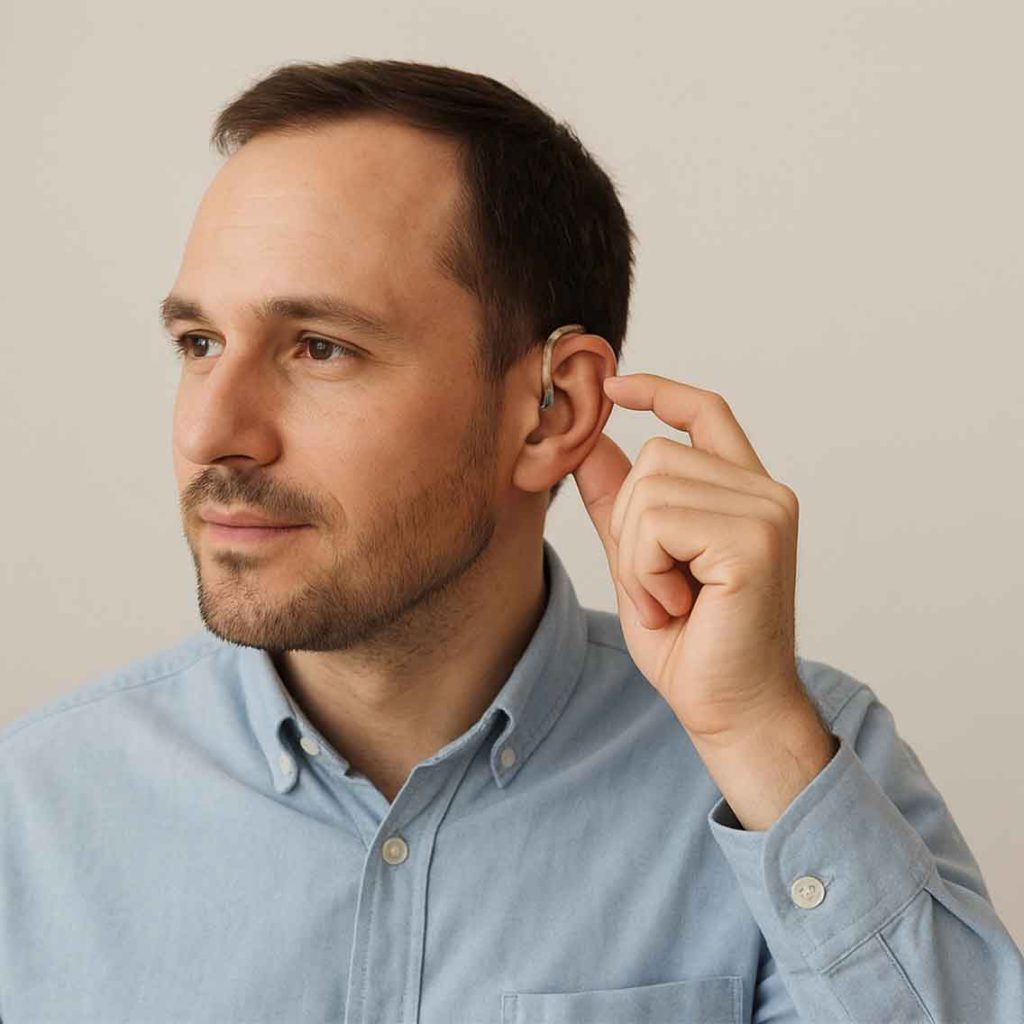
How to Determine the Correctness of Hearing Aid Settings?
How to Determine if a Hearing Aid Is Properly Adjusted
Proper hearing aid adjustment is key to comfortable sound perception in daily life. To understand whether the device is correctly set, you need to pay attention to your sensations while using it and how your hearing responds to different volume levels. Even small discomforts or distortions may indicate the need for additional checking.
The first step is self-monitoring. Notice how naturally you perceive speech, household sounds, and your surroundings. If there are sharp, unpleasant, or overly quiet sounds, this may indicate inaccurate adjustment.
It is also important to test the hearing aid in different conditions. Try using it in noisy environments, outdoors, or during conversations with multiple people at once. The device should maintain a balance between amplifying speech and suppressing background noise.
If you have doubts about its correctness, it is recommended to consult an audiologist or a company specializing in hearing aid selection, such as the Center of Hearing. A specialist will perform a professional check and adjust the settings if necessary.
Key Signs of Proper Hearing Aid Functioning
One of the main indicators is the sound quality of the hearing aid. A properly adjusted device transmits speech naturally, without harsh distortions or excessive noise. The user experiences comfortable perception of all environmental sounds, and the volume adjusts according to the situation.
It is also important to monitor the device’s performance over time. The hearing aid should work steadily without malfunctions, without causing hearing fatigue or discomfort. If these conditions are met, you can be confident in its correct adjustment.
Signs to Look for in Hearing Aid Function
-
Clear speech comprehension in quiet and noisy environments
-
Natural perception of surrounding sounds
-
No sharp whistling or squeaking while wearing
-
Comfortable feeling during extended use
-
Easy adaptation to volume changes
Additionally, proper adjustment ensures even amplification across all frequencies. The device should not excessively boost low or high frequencies. If there are uncomfortable sensations or certain sounds are too loud, it is a signal to consult a specialist for correction.
Do not forget about regular hearing aid checks. Even a high-quality device may require fine-tuning over time. Routine visits to an audiologist help maintain stable sound quality and comfortable speech perception.
Following instructions and recommendations from the Center of Hearing is also important for proper device use. Adhering to these guidelines minimizes the risk of incorrect functioning and extends the hearing aid’s lifespan.
When Additional Adjustment by a Specialist Is Needed
Even after initial proper adjustment, correction may be required over time. Changes in hearing, new noise conditions, or hearing fatigue can affect comfortable use. Regular hearing aid checks allow you to identify the need for additional adjustments promptly.
Signs that you should consult a specialist include: reduced speech clarity, the appearance of unpleasant noises, discomfort, or fatigue. These issues cannot be ignored as they affect the device’s effectiveness.
Special attention should be given to adaptation after battery replacement or new device models. A new device may require precise tuning to individual hearing characteristics. Only a professional hearing aid check ensures proper functioning.
By consulting an audiologist, you receive not only setting adjustments but also recommendations for further use and care. This helps maintain comfortable sound quality throughout the hearing aid’s entire period of use.