

How to properly wear a hearing aid so that it doesn’t fall out?
Reliable wearing of a hearing aid directly affects comfort, sound quality, and safety in everyday life. If the device is fitted incorrectly, it may shift or fall out, causing discomfort and a risk of damage. To avoid this, it is important to consider the fit, ear shape, and type of construction.
Basic rules for securing and fitting a hearing aid
The first thing to pay attention to is proper fit. The device should sit firmly in or behind the ear without causing pressure. If there is any discomfort, it is a sign that adjustment is needed.
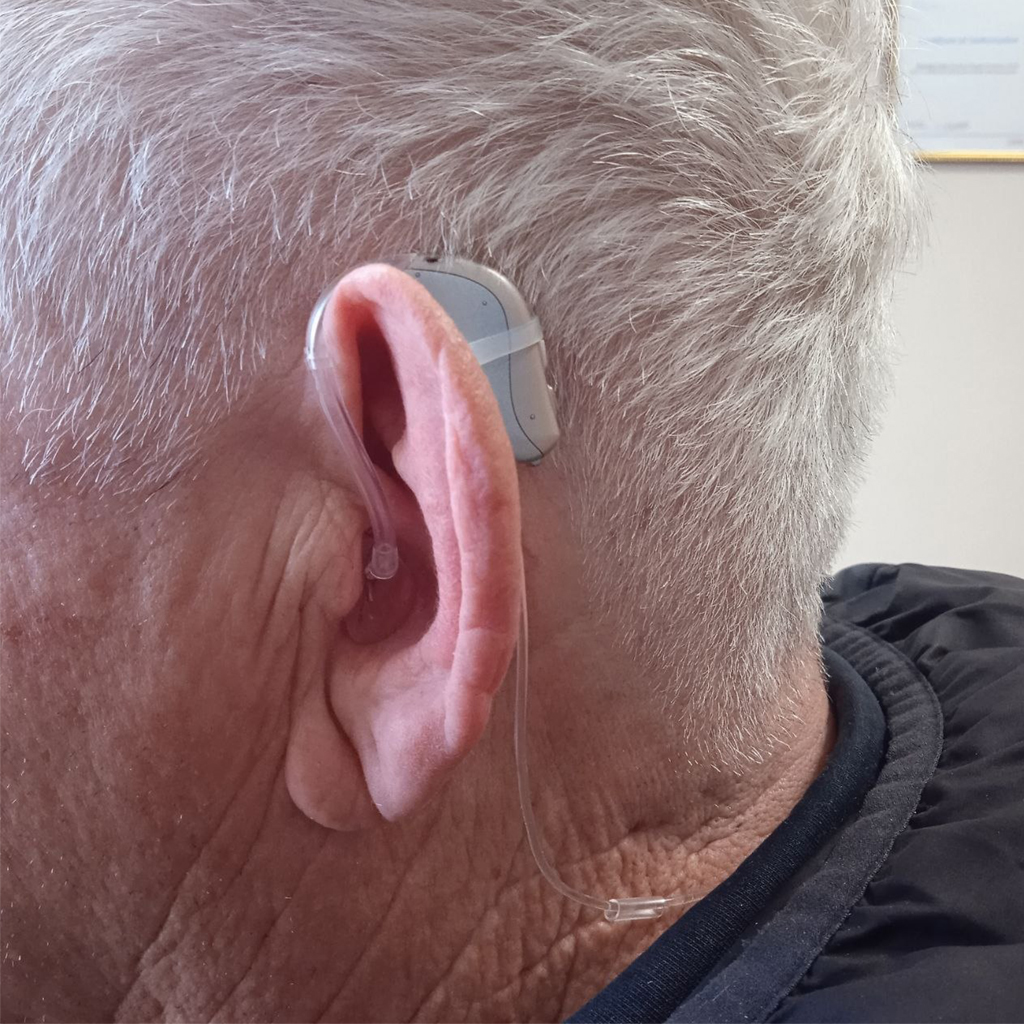
The fixation of a hearing aid depends on its type. Behind-the-ear models require correct positioning of the hook, while in-ear models must precisely match the shape of the ear canal. Any displacement reduces sound quality.
Before wearing the device, make sure the ear is clean and dry. Excess moisture or dirt can affect stability and cause the device to slip.
It is important to insert the device smoothly, without sudden movements. Incorrect placement may result in a loose fit and eventually cause it to fall out.
With an active lifestyle, it is important to regularly check how securely the device is fixed. This is especially relevant during sports or long walks.
If the hearing aid frequently shifts, it is better to consult specialists. For example, the Center of Hearing company can help adjust the fit and ensure stable performance.
How to choose the size and shape of the earmold for secure retention
The earmold plays a key role in keeping the hearing aid in place. It must precisely match the anatomy of the ear, otherwise even a high-quality device will not stay secure and may cause discomfort.
The size of the earmold is selected individually. A model that is too small will not provide proper fixation, while one that is too large may cause pressure and discomfort.
Main selection criteria:
- tight fit without pain;
- stability during movement;
- no whistling or interference;
- comfort during long-term use.
The shape of the earmold also affects retention. Universal options are not suitable for everyone, so in case of frequent issues, it is better to order a custom-made solution.
Custom earmold fitting for a hearing aid
Custom solutions are created based on an ear impression, which allows achieving maximum accuracy. This is especially important if the hearing aid falls out during movement or head tilting.
Advantages of a custom solution:
- precise replication of the ear canal shape;
- reliable fixation of the hearing aid;
- improved sound quality;
- reduced risk of falling out.
This approach minimizes wearing errors and makes using the device максимально comfortable in any conditions.
Common mistakes when wearing a hearing aid and how to avoid them
One of the most common issues is incorrect placement. The user may not insert the device fully, causing it to gradually shift.
Another mistake is ignoring discomfort. If the device presses or rubs, it is not normal and indicates an improper fit or unsuitable earmold.
Some users incorrectly position the behind-the-ear part, which leads to instability. This becomes especially noticeable during head movement.
Lack of regular maintenance also affects fixation. Dirt and buildup can reduce grip and cause the hearing aid to fall out.
It is important not to use someone else’s earmolds or universal solutions without proper fitting. They rarely provide sufficient stability and may worsen sound quality.
To avoid such problems, it is recommended to periodically check the fit with a specialist and adjust the settings. This will allow you to wear the device confidently without the risk of it falling out.