

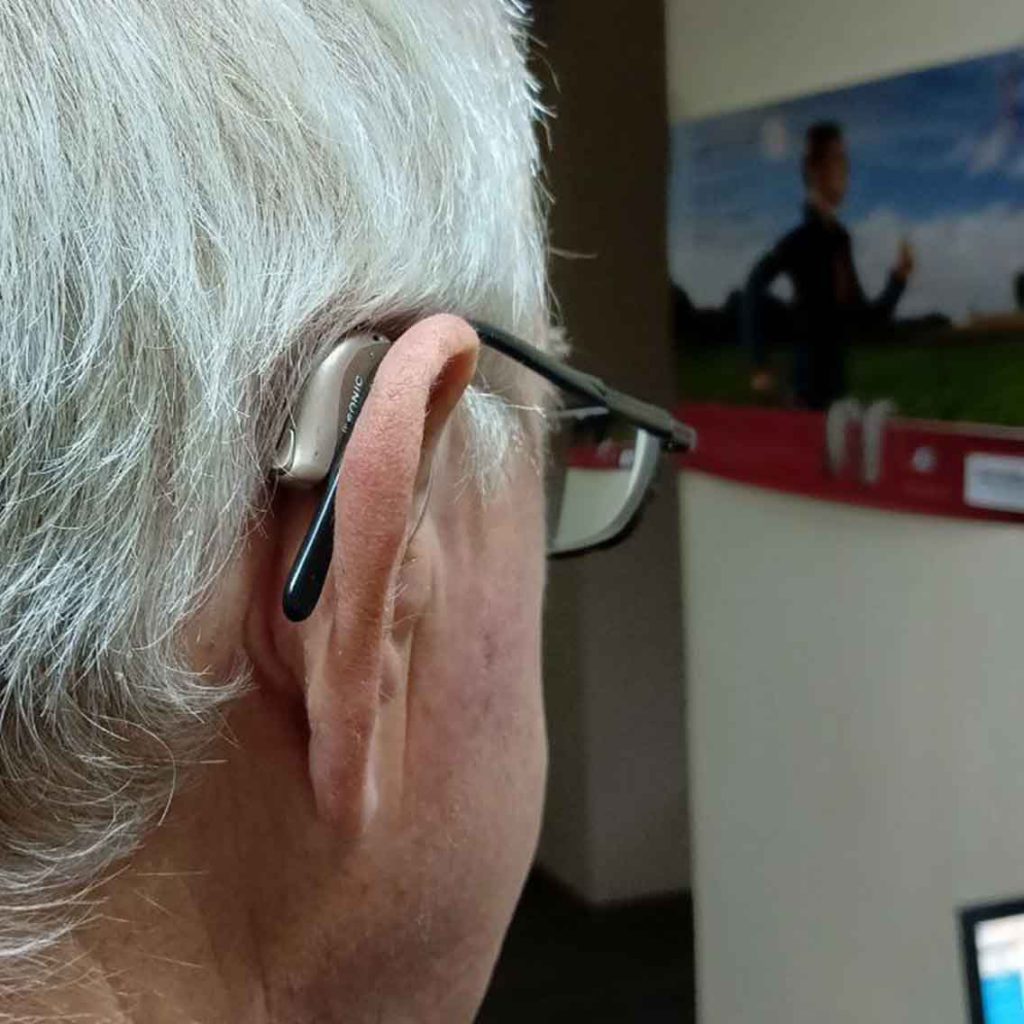
Why does a hearing aid drain so quickly
Main Reasons for Rapid Hearing Aid Battery Drain
Rapid battery drain in a hearing aid is one of the most common issues users face. Most often, the cause is natural battery wear, which over time loses its ability to hold a charge. With intensive device use, the runtime from a single charge noticeably decreases, requiring more frequent recharging and attention to the battery’s condition.
Another factor is frequent use of the hearing aid at high volume. Constant operation at maximum volume increases the load on the battery, accelerating its discharge. Users often do not notice that prolonged listening at amplified sound negatively affects the overall battery lifespan.
Incorrect device usage also impacts battery life. For example, if storage rules are not followed or the device is exposed to temperature fluctuations, the battery quickly loses its capacity. Even a new hearing aid can discharge rapidly if these rules are not observed.
Finally, electronic malfunctions and internal defects of the hearing aid can cause unstable power supply. In such cases, standard methods of extending charge do not help, and it is important to contact specialists for diagnosis and repair in time.
How to Extend Hearing Aid Battery Life
To increase battery runtime, it is necessary to follow a few simple rules. First of all, proper charging and device care are essential. It is not recommended to leave the hearing aid connected to the charger longer than the specified time, and only original chargers should be used.
In addition, energy saving directly affects battery life. Adjusting the volume and turning off unused functions help reduce the load on the battery.
-
Use standard operation mode instead of maximum volume
-
Turn off the device regularly at night
-
Replace the battery on time when the battery shows signs of wear
-
Monitor storage temperature
Practical Tips for Extending Hearing Aid Battery Life
It is important to note that choosing the right hearing aid and following the advice of specialists at the Center for Hearing helps optimize energy consumption. Users should check battery condition and replace power elements promptly to avoid sudden drain.
Regular cleaning and maintenance prolong the battery’s life and the hearing aid itself. Also, avoid using the hearing aid in high humidity or extreme temperatures, as this can cause electronic failure.
Modern hearing aid models come with energy-saving features that are recommended for daily use. This reduces the frequency of recharging without compromising sound quality.
Finally, it is important to plan device usage: turn off unnecessary features, adjust volume according to real needs, and regularly check battery condition. This approach helps maximize hearing aid runtime and reduces the likelihood of rapid battery drain.
When Rapid Battery Drain Indicates a Device Malfunction
If the battery drains quickly even when all operating rules are followed, this may indicate a hearing aid malfunction. Often, this is due to electronic failures or internal defects that require professional diagnostics.
Incorrect battery performance, even in a new device, can be a result of a manufacturing defect. In such cases, replacing the battery alone will not solve the problem, and it is better to consult specialists at the Center for Hearing for device inspection.
Sometimes problems appear intermittently: the device works normally but suddenly loses charge. This indicates internal issues that cannot be ignored, otherwise the device may fail completely.
Special attention should be paid to signs of unstable battery operation and electronic malfunctions. Ignoring these signals can shorten the overall lifespan of the hearing aid and reduce sound quality, making professional assistance necessary.