

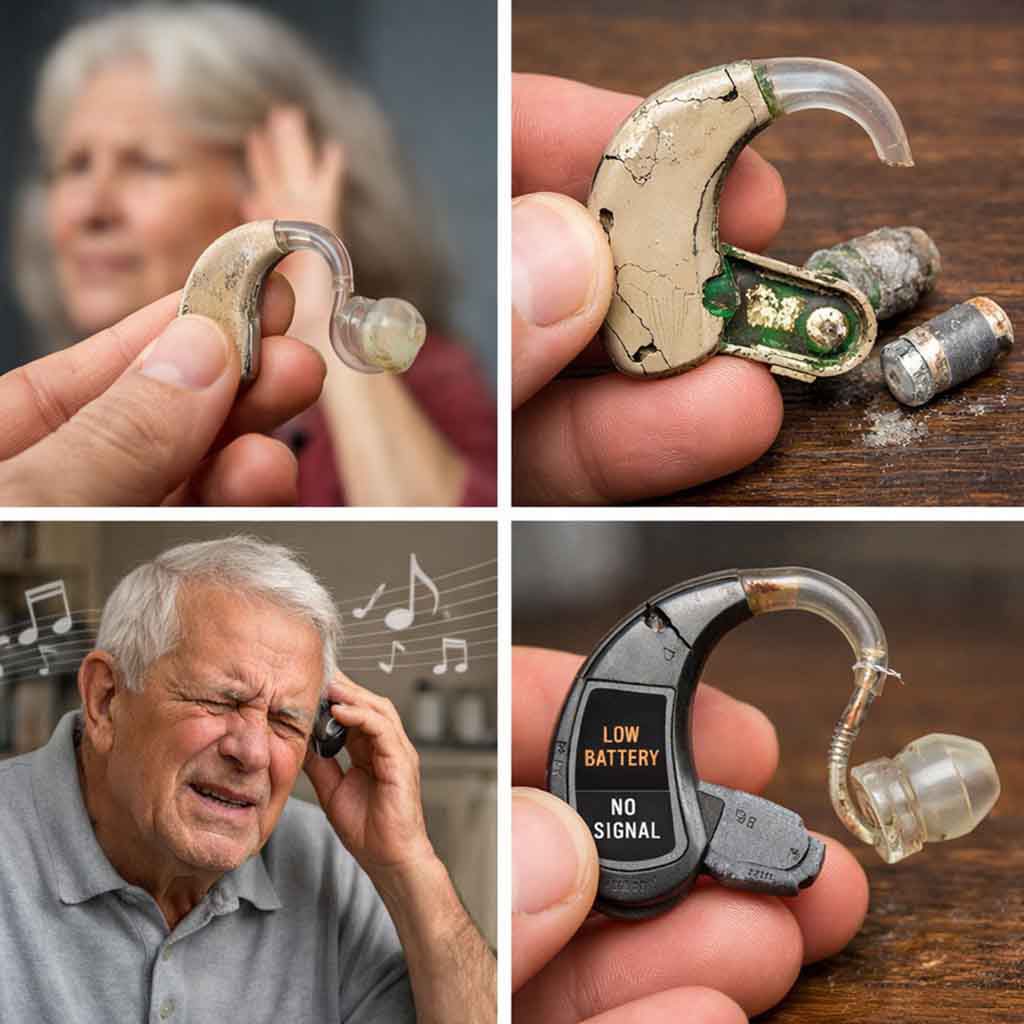
Signs That a Hearing Aid Needs to Be Replaced
When and Why You Should Replace a Hearing Aid
Modern hearing aids are typically designed to last about 4–6 years of active use. Over time, components wear out and technologies become outdated, which means the device may no longer provide the necessary comfort and speech clarity even with regular maintenance.
One key reason to consider an upgrade is a change in hearing condition. As new hearing problems develop, previous settings may no longer match the user’s actual needs, reducing overall sound quality.
Technological progress also plays an important role. New models offer improved sound processing, better noise reduction, and more convenient controls. In such cases, hearing aid replacement becomes an essential step toward maintaining quality of life.
Regular consultations with a specialist help determine whether an upgrade is needed. A professional hearing aid check allows for an objective assessment of the device’s condition and real-world performance.
Main Signs That a Hearing Aid Is Outdated or Malfunctioning
If a device starts working inconsistently, this is the first reason to pay close attention. Users may notice background noise, sound distortion, or frequent interruptions, all of which negatively affect speech perception.
Over time, technical issues may accumulate: microphone sensitivity decreases, batteries drain faster, and adjusting the device becomes more difficult. These are clear signs of hearing aid malfunction.
During everyday use, the following symptoms may appear:
-
reduced speech clarity;
-
constant need to increase volume;
-
discomfort while wearing the device;
-
poor adaptation to noisy environments;
-
frequent breakdowns and repairs.
Reduced Hearing Aid Performance as a Key Indicator
When a device no longer handles basic listening tasks, reduced hearing aid performance becomes noticeable even if the aid appears to function normally. This is especially evident during phone calls or conversations in groups.
Users may feel fatigued more quickly, avoid social interaction, and ask others to repeat themselves more often. These subtle changes are strong indicators that an upgrade should be considered.
Consulting professionals, such as Center of Hearing specialists, helps objectively evaluate the condition of the device and choose the most appropriate next steps.
How to Tell That a Hearing Aid Is No Longer Doing Its Job
If sound quality does not improve even after adjustments, it is a serious sign that replacement may be necessary. The hearing aid may still work technically but fail to deliver adequate results in real-life situations.
Comparing older devices with modern models often highlights significant technological differences. New solutions adapt better to various environments, and proper hearing aid fitting takes lifestyle and individual needs into account.
It is important to rely not only on personal perception but also on professional recommendations. In many cases, it is more practical to buy a new device rather than continuously repairing an old one, especially when the price of maintenance becomes too high.
Making a timely decision helps preserve activity, confidence, and clear communication without unnecessary limitations.